Rare Finds: Exploring the World’s Most Expensive Art Collections

The Future of Luxury: Sustainability, Innovation, and Purpose
As we look toward the future, the luxury lifestyle will continue to evolve, driven by changes in consumer behavior, technology, and environmental awareness. Luxury is no longer about sheer excess; it’s becoming about thoughtful, purposeful living, where sustainability, ethical production, and experiential value will shape how people define and enjoy luxury.

1. Sustainability and Ethical Luxury
The modern consumer is more conscious than ever about the impact of their purchasing decisions. Sustainability has become a central focus in the luxury industry, with a growing emphasis on eco-friendly materials, ethical production practices, and transparent supply chains. Luxury consumers, particularly the younger generation, are not just seeking exclusive goods—they are increasingly demanding that those goods align with their values.

Luxury brands are responding to this demand by adopting sustainable practices that prioritize the environment. For example, companies like Stella McCartney have long been at the forefront of sustainable fashion, using plant-based materials and recycling fabrics to reduce waste. In the world of high-end automobiles, brands like Tesla and Jaguar are pushing boundaries with their electric and hybrid vehicles, offering sustainable luxury without compromising on performance or style.

Patagonia, while not traditionally considered a luxury brand, has redefined what “luxury” can mean by making sustainability and environmental responsibility a cornerstone of its ethos. The luxury sector is taking a cue from these brands, integrating sustainability into every facet of production, from sourcing rare materials (like ethically mined diamonds or responsible wool) to embracing carbon neutrality. Additionally, luxury consumers are increasingly gravitating toward second-hand or vintage goods, valuing the rarity and sustainability of well-preserved items over the acquisition of new products.

For luxury homes, sustainability has become an essential consideration in design and construction. Green architecture is now synonymous with modern luxury, where eco-friendly technologies like geothermal heating, solar power, and green roofs are standard features. Sustainable building materials—such as reclaimed wood, bamboo flooring, and non-toxic paints—are becoming common in high-end properties.

2. The Role of Purpose and Conscious Consumerism
Today’s luxury consumers are not only seeking material possessions; they’re looking for meaning and purpose in the things they own and the experiences they pursue. There is a growing desire for luxury that transcends superficial displays of wealth to encompass contributions to greater societal good. This has given rise to a new form of conscious luxury, where consumers prioritize brands that align with their own ethical, social, and environmental values.

Brands like Toms, which donates a pair of shoes for every pair purchased, or Bombas, which gives socks to homeless shelters, are setting the standard for socially responsible luxury. Similarly, luxury brands that are committed to philanthropy, such as the Chopard jewelry company, which sources its diamonds from conflict-free areas, reflect the increasing trend toward brands that engage in positive social impact.

Luxury living is also about curating an entire lifestyle that aligns with one’s values. As people become more conscious of their environmental and social footprints, they are looking for experiences and products that reflect these values. For example, luxury travel now includes experiences that emphasize sustainability, such as stays in eco-lodges, conservation-focused safaris, and destinations that actively support local communities.

The ethical dimension of luxury is expanding beyond consumer goods to include high-net-worth individuals’ philanthropic endeavors. Wealthy consumers are increasingly choosing to use their resources to give back to society, whether through funding educational initiatives, contributing to environmental causes, or investing in social enterprises. This shift toward a purpose-driven luxury lifestyle is not just about acquiring wealth or goods, but about creating a lasting legacy that benefits both individuals and society.

3. Luxury in the Digital Realm: The Metaverse and Virtual Goods
One of the most exciting developments in the luxury world is the rise of the metaverse—a virtual universe where users can interact, socialize, and even purchase virtual goods. As digital and physical worlds merge, the concept of luxury is expanding beyond the tangible. The metaverse represents a new frontier in luxury, where brands and consumers can explore novel ways of offering exclusivity and customization.

For example, luxury brands like Gucci and Balenciaga are already creating virtual clothing and accessories that can be worn by avatars in virtual spaces. These items may not have a physical form, but they carry all the prestige and value of their real-world counterparts. For many consumers, owning a limited-edition Gucci bag in the metaverse is just as desirable—if not more so—than owning the physical version, as it signifies their status within a new digital ecosystem.

Additionally, virtual luxury real estate has emerged as a new investment category. Virtual worlds like Decentraland and The Sandbox allow users to buy, sell, and build on virtual land, creating exclusive properties in a digital space. Just like in the physical world, these virtual properties can be customized with digital art, luxury furnishings, and bespoke designs, offering an entirely new way to live the luxury lifestyle.

NFTs (Non-Fungible Tokens) have also become part of the luxury digital landscape. These unique digital assets, often tied to exclusive art or limited-edition goods, are bought and sold as part of the growing market for digital collectibles. High-end brands and artists are using NFTs to represent ownership of rare, one-of-a-kind items, combining the worlds of art, technology, and luxury.

The metaverse and NFTs are redefining the concept of luxury by introducing new forms of ownership, status, and exclusivity that aren’t tied to the physical realm. Luxury is no longer just about owning rare objects or indulging in opulent experiences—it’s about staking a claim in new, innovative digital environments that promise to reshape how we experience wealth, culture, and status in the future.

4. Health and Wellness: The New Luxury
As people become more focused on holistic well-being, health and wellness have moved to the forefront of the luxury lifestyle. The idea of luxury is increasingly being associated with the preservation of health, mental well-being, and overall vitality. Wellness tourism is one of the fastest-growing segments of the luxury market, with affluent consumers flocking to health retreats, meditation centers, and spa resorts in search of physical and mental rejuvenation.

Luxury wellness experiences go beyond spa treatments—they incorporate state-of-the-art fitness centers, personalized nutrition plans, and medical-grade wellness services like cryotherapy, detox programs, and biohacking. The Six Senses hotel chain, for instance, offers bespoke wellness journeys that combine traditional treatments with modern science, allowing guests to tailor their experience to their personal health needs.

Luxury wellness is also deeply intertwined with the concept of longevity. With the rise of anti-aging technologies, stem cell research, and cutting-edge regenerative medicine, the wealthy are increasingly seeking ways to extend their lives and maintain youthfulness. The Lanserhof in Austria, renowned for its medical and holistic treatments, is one example of how luxury health retreats are combining high-end services with advanced medical technology.

Moreover, the idea of luxury is https://metalremoval.us/ shifting from simply indulging in material excess to a deeper, more mindful approach to self-care. Luxury living today includes prioritizing personal well-being, whether through maintaining a healthy body, a peaceful mind, or achieving a balanced lifestyle. For many, the pursuit of health is now considered the ultimate luxury, one that cannot be bought but must be earned through conscious choices, self-care, and mindfulness.

The Psychological Value of Luxury
As much as luxury is about physical products or experiences, its deeper value lies in its ability to fulfill psychological and emotional needs. The luxury lifestyle is often a reflection of the inner desires and aspirations of the individual, from status and recognition to a desire for beauty, harmony, and happiness. Understanding the psychological value of luxury reveals why people are drawn to it and how it enriches their lives.

1. The Desire for Meaning and Symbolism
Luxury has long been about more than the tangible object—it represents an ideal, a symbol of success, achievement, or personal fulfillment. Owning a rare, high-end object is often about what that object represents: it could symbolize a hard-earned achievement, a milestone in life, or a desire to live a life of distinction. The meaning attached to luxury items, whether it’s a watch passed down from generation to generation or a rare piece of art, gives them value beyond just their material worth.

2. The Role of Exclusivity in Well-Being
Exclusivity, one of the defining features of luxury, plays a significant role in how luxury contributes to psychological well-being. The rare and the unique offer a sense of accomplishment, whether it’s being able to access a private club, purchase a rare product, or have a personalized experience. This sense of access to a world that few others can enter boosts an individual’s sense of status and achievement.

However, the true psychological benefit of exclusivity lies in the deep sense of satisfaction that comes from knowing that what one owns or experiences is genuinely unique. Whether it’s a private collection of art, a customized luxury vehicle, or a bespoke suite at a five-star hotel, exclusivity taps into the desire for recognition and individual distinction.

Conclusion: A New Era of Luxury Living
As we move into the future, the luxury lifestyle is embracing change and transformation, incorporating sustainability, personalization, technology, and mindfulness into every facet of living. Today, luxury is no longer simply about opulence; it’s about living in alignment with one’s values, discovering unique experiences, and pursuing a holistic sense of well-being. The future of luxury lies in the fusion of tradition and innovation, in the quest for deeper meaning and the integration of personal and global consciousness.

Luxury, in all its forms, will continue to evolve as a dynamic expression of cultural, emotional, and psychological aspirations, offering those who embrace it a way to live their lives to the fullest—creating meaning, connection, and purpose in every moment.…
How Online Games Are Promoting Environmental Awareness

Gaming, once confined to dimly lit arcades and clunky consoles, has burgeoned into a multi-dimensional cultural juggernaut. Beyond mere entertainment, it has become a vibrant ecosystem fostering creativity, social interaction, and even economic opportunity. In this article, we explore the expansive landscape of gaming, from its roots to its far-reaching branches, and the profound impact it has on individuals and society as a whole.


At its core, gaming is about immersion and interactivity, offering an escape into fantastical realms and challenging players with puzzles, quests, and adventures. From the pioneering days of Pong and Pac-Man to the cinematic masterpieces of today, gaming has evolved into a sophisticated art form that rivals literature and film in its ability to captivate audiences and evoke emotions.


Moreover, gaming has transcended its solitary origins to become a communal experience, bringing people together across geographical and cultural boundaries. Online multiplayer games serve as virtual meeting grounds where friendships slot are forged, alliances are formed, and epic battles are waged. Whether cooperating with teammates to achieve victory or competing against rivals in heated matches, gaming fosters a sense of camaraderie and connection unlike any other medium.


Furthermore, gaming has emerged as a powerful tool for education and skill development. Educational games teach subjects ranging from math and science to history and languages in engaging and interactive ways, making learning fun and accessible for players of all ages. Strategy games like Civilization and resource management games like SimCity challenge players to think critically, solve problems, and make decisions, skills that are invaluable in both virtual and real-world contexts.


However, gaming is not without its controversies and challenges. Concerns about addiction, excessive screen time, and the impact of violent content on impressionable minds have sparked debates and discussions about the role of gaming in society. Additionally, issues of representation and inclusivity within the gaming community continue to be hotly debated, with calls for greater diversity and representation in game development and storytelling.


Despite these challenges, the future of gaming looks bright and full of promise. Advancements in technology such as virtual reality, augmented reality, and cloud gaming promise to revolutionize the gaming experience, offering unprecedented levels of immersion and accessibility. Moreover, the democratization of game development through platforms like Unity and Unreal Engine empowers aspiring creators to bring their visions to life and share them with the world.


In conclusion, gaming is much more than a mere hobby or pastime; it is a dynamic and ever-evolving cultural phenomenon with far-reaching implications for society. From its humble beginnings to its current status as a multi-billion-dollar industry, gaming has enriched the lives of millions of people around the world and continues to push the boundaries of what is possible in art, technology, and entertainment. As we look to the future, one thing is certain: the journey of gaming is far from over, and the adventures that lie ahead are bound to be as thrilling and transformative as those that have come before.…

How to Choose the Right Home Construction Company for Your Project?

When you’re beginning a home construction project, choosing the right company can make all the difference. You’ll want to start by clearly defining your needs and budget, which sets the foundation for your search. Next, you’ll need to research potential companies, looking at their credentials and past work to gauge their reliability. But that’s just the beginning; understanding communication styles and contract details can be equally important. So, how do you guarantee you’re making the best choice for your vision? Let’s explore the essential steps to guide you through this process.

Define Your Project Needs

Before you immerse yourself in choosing a home construction company, it’s crucial to clearly define your project needs. Start by outlining the project scope, including the size and type of home you envision. Consider whether you want a custom build or a pre-designed model. If you’re looking for a reputable team, SOHO Living are builders in Melbourne who offer both custom and pre-designed options to suit various needs.

Next, think about your budget considerations. Determine how much you’re willing to spend on construction and factor in potential unexpected costs. Be realistic and make sure your budget aligns with your project scope.

Having a clear understanding of both elements will help you communicate effectively with potential contractors and guarantee you receive accurate quotes.

This clarity sets the foundation for a successful project and helps you avoid costly changes down the line.

Research Potential Companies

With a clear understanding of your project needs, it’s time to research potential construction companies.

Start by browsing online reviews to gauge each company’s reputation. Look for patterns in feedback—positive reviews can indicate reliability and quality work.

Don’t overlook client testimonials, as they provide insight into the experiences of others who’ve worked with the company. Pay attention to how companies respond to negative reviews too; their approach can reveal their customer service philosophy.

Create a shortlist of companies that consistently receive praise and seem to align with your vision.

This groundwork will set you up for more informed discussions and help you identify the right fit for your project.

Check Credentials and Experience

Before you commit to a home construction company, it’s essential to check their credentials and experience.

Make sure they’ve the necessary licenses and insurance, and take a good look at their industry experience.

Reviewing their past projects can also give you valuable insights into their quality of work.

Verify Licenses and Insurance

When selecting a home construction company, verifying licenses and insurance is essential to ensuring your investment is protected.

Start by confirming that the company meets local licensing requirements; this shows they’re qualified to handle the job legally. You can usually find this information on your state’s licensing board website.

Next, ask about their insurance coverage. A reputable company should carry liability insurance and workers’ compensation to safeguard you from potential accidents or damages during the project.

Without proper insurance, you could be held responsible for any mishaps. Don’t hesitate to request copies of their licenses and insurance certificates.

Assess Industry Experience

Evaluating the industry experience of a home construction company is essential for ensuring a successful project.

You’ll want to check how long they’ve been in business and their knowledge of current industry trends. Companies with substantial experience are more likely to navigate challenges effectively, keeping your project on track.

Ask about their familiarity with local building codes and regulations, as this can impact project timelines considerably. Additionally, inquire about their workforce and subcontractors; experienced teams can often deliver better quality work.

Don’t forget to verify if they’ve ongoing training programs to stay updated with new technologies and practices.

Ultimately, a company with strong industry experience can help you achieve your vision efficiently and successfully.

Review Past Projects

A key step in selecting the right home construction company is to review their past projects. Look for a portfolio that showcases various project types, from custom homes to renovations. This not only demonstrates their versatility but also helps you gauge their ability to handle your specific needs.

Pay close attention to the quality of work and design elements that resonate with your vision. Don’t forget to check client testimonials; they provide valuable insights into the company’s reliability and customer satisfaction.

Reach out to past clients if possible, and ask about their experiences. This in-depth research will give you confidence in your choice and guarantee that you’re partnering with a company that aligns with your project goals.

Review Past Projects

When you’re choosing a home construction company, reviewing their past projects is essential.

Look at the diversity in their portfolio to see if they can handle your specific needs, and assess the quality of their work to guarantee it meets your standards.

This step gives you a clear picture of what to expect from them.

Examine Portfolio Diversity

One key aspect of selecting a home construction company is examining their portfolio diversity, which reveals the range and quality of their past projects.

Start with a thorough portfolio evaluation; look for a variety of design styles that align with your vision. A company that showcases multiple styles—modern, traditional, or eco-friendly—demonstrates their adaptability and creativity.

This diversity indicates they can handle different project types and understand various client needs. It’s also beneficial to see completed projects that reflect a realistic execution of those designs.

By evaluating their past work, you’ll gain insight into their expertise and whether they can deliver on your unique project requirements.

Don’t hesitate to ask for specific examples that resonate with your desired home aesthetic.

Assess Quality of Work

Thoroughly reviewing past projects is essential for evaluating the quality of work a home construction company delivers. Look for examples that meet or exceed current construction standards, as this reflects the company’s commitment to excellence.

Pay attention to the craftsmanship in each project; high-quality workmanship indicates a reliable contractor. Check for consistency in design, materials, and finishes, which can give you insight into their attention to detail.

Don’t hesitate to ask for references from previous clients. A solid workmanship evaluation often hinges on customer satisfaction.

Evaluate Communication and Compatibility

Effective communication and compatibility with your home construction company are essential for a successful project. Start by identifying your preferred communication styles. Do you prefer frequent updates or only key milestones? Discuss this upfront to avoid misunderstandings later.

Next, evaluate compatibility factors, like shared values and work ethics. You want a company that aligns with your vision and understands your needs. Pay attention to how they respond to your questions and concerns; a responsive team is vital.

Consider scheduling a face-to-face meeting to gauge rapport. If you feel comfortable and understood, you’re more likely to have a smooth collaboration.

Ultimately, strong communication and compatibility will lead to a more enjoyable and efficient construction process.

Understand Contracts and Costs

When you’re diving into contracts and costs with your home construction company, it’s crucial to grasp the fine details before signing anything.

Start by reviewing the contract thoroughly; it should outline the scope of work, timelines, and payment schedules.

Don’t hesitate to engage in contract negotiation to guarantee you’re comfortable with the terms.

Pay close attention to the cost estimation provided by the builder; it should include a breakdown of materials, labor, and any additional expenses.

Clarify any vague terms or hidden fees, as transparency is key in this process.

Finally, make sure to understand your rights and responsibilities as a homeowner.

This awareness will empower you to navigate your project confidently and avoid potential pitfalls.

Unlocking Efficiency: The Power of Online Invoice Templates for Your Business

In the fast-paced world of business, managing finances efficiently is crucial for success. One of the most vital aspects of this is invoicing, which can often become a cumbersome task if not handled correctly. Fortunately, the advent of online invoice templates has transformed how businesses create and manage invoices, offering a streamlined solution that saves time and enhances professionalism.

Using online invoice templates is a game-changer for small businesses and freelancers alike. These templates are designed to be user-friendly, allowing users to input invoice online template xls their details without needing extensive accounting knowledge. With a few clicks, businesses can customize invoices with their branding, including logos and color schemes, ensuring that every invoice reflects their unique identity. This professional touch not only enhances credibility but also leaves a lasting impression on clients.

Moreover, online invoice templates often come equipped with built-in features that simplify the invoicing process. Users can easily add items or services, specify quantities, and set prices, all while automatically calculating totals and taxes. This reduces the risk of human error, which can lead to financial discrepancies and disputes. By automating these calculations, businesses can focus on what truly matters: delivering exceptional products and services to their customers.

Another significant advantage of using online invoice templates is the ability to manage invoices efficiently. Many platforms offer tracking features that allow businesses to monitor the status of invoices in real time. This means that users can quickly identify which invoices have been paid, which are pending, and which require follow-up. Such insights are invaluable for maintaining healthy cash flow and ensuring that the business operates smoothly.

The convenience of online invoice templates extends beyond creation and management. Most platforms offer the option to send invoices directly to clients via email, saving time and resources. This digital approach not only speeds up the payment process but also allows for easy access to invoices whenever needed. In an era where time is money, this efficiency can significantly impact a business’s bottom line.

Additionally, many online invoicing tools integrate seamlessly with accounting software, further simplifying the financial management process. This integration allows businesses to sync their invoicing data with their accounting systems, reducing the need for manual entry and ensuring that financial records remain accurate and up to date. The result is a comprehensive view of the business’s financial health, enabling better decision-making and strategic planning.

In conclusion, online invoice templates represent a powerful tool for businesses looking to enhance their invoicing processes. By providing user-friendly customization, automatic calculations, efficient tracking, and seamless integration with accounting systems, these templates not only save time but also improve professionalism and accuracy. Embracing this digital solution is not just about keeping up with technology; it’s about positioning your business for success in a competitive marketplace.…

Understanding the Importance of White Space in Design

Visual depiction is an always advancing discipline that mixes innovativeness with innovation, bringing forth visual correspondence that reverberates with crowds. This diverse field envelops different perspectives, including marking, publicizing, website architecture, and the sky is the limit from there, each with its extraordinary arrangement of difficulties and amazing open doors. At its center, visual depiction plans to pass on messages successfully, utilizing visuals to summon feelings, incite considerations, and rouse activity.

One of the most crucial parts of visual https://digitalcertificate.us communication is the comprehension of variety hypothesis. Colors have mental effects that can essentially impact how a message is seen. For instance, red can bring out desires to move quickly or energy, while blue will in general advance a feeling of smoothness and trust. Planners carefully pick variety ranges that line up with the brand’s character and the expected message, guaranteeing that the visuals reverberate with the interest group. An effective plan doesn’t simply look great; it fills a need, directing watchers toward a particular reaction or activity.

Typography likewise assumes a urgent part in visual communication. The selection of text styles can emphatically change the tone of a piece. A cutting edge sans-serif textual style might convey a feeling of moderation and complexity, while a manually written content can bestow warmth and personalization. Compelling typography fits with other plan components, it isn’t just clear yet in addition tastefully satisfying to guarantee that the text. Creators frequently explore different avenues regarding text dimensions, loads, and dispersing to make visual pecking order, causing to notice the most basic data. This meticulousness changes customary text into a convincing visual story.

The format of a plan is another fundamental viewpoint that impacts how the crowd collaborates with the substance. A very much organized format directs watchers’ eyes through the data in a coherent grouping. Creators use matrices and structures to make equilibrium and arrangement, guaranteeing that every component includes its place inside the sythesis. This authoritative methodology forestalls mess and disarray, permitting watchers to successfully ingest the data more. During a time where capacities to focus are lessening, a reasonable and compact design can have a significant effect in catching and holding a crowd of people’s advantage.

Also, innovation has decisively changed the scene of visual computerization. With the appearance of cutting edge programming and devices, creators have phenomenal adaptability and artistic liberty. Programs like Adobe Imaginative Suite, Sketch, and Figma take into account multifaceted plans that were once work concentrated and tedious. Computerized stages likewise empower creators to investigate activity, intelligence, and 3D demonstrating, pushing the limits of customary visual computerization. As the advanced domain keeps on growing, the abilities expected for effective visual planners will likewise develop, underlining the significance of versatility and ceaseless learning.

Supportability has arisen as a huge subject inside visual communication, with numerous originators pushing for eco-accommodating practices. This shift towards supportability includes the selection of materials as well as the lifecycle of plans. Making plans that are outwardly engaging as well as earth dependable mirrors a developing consciousness of worldwide issues. Originators are progressively choosing feasible printing techniques, computerized promoting, and materials that diminish ecological effect. This obligation to manageability lines up with the upsides of numerous purchasers today, making it a pivotal thought in contemporary plan rehearses.

All in all, visual depiction is a dynamic and necessary piece of present day correspondence. It consolidates workmanship and science, permitting originators to make outwardly convincing accounts that resound with crowds. By grasping the standards of variety hypothesis, typography, format, and innovation, planners can make significant and effective visuals. As the field keeps on advancing, the fuse of manageability into configuration rehearses features the significance of mindful innovativeness. In reality as we know it where visuals are central, visual communication stays a fundamental apparatus for successful correspondence, driving commitment and impacting discernments across different stages.…

Elevate Your Everyday: Simple Habits for a Fulfilling Life

Lifestyle encompasses the choices and habits that shape our daily existence. It reflects our values, priorities, and the way we engage with the world around us. From the food we eat to the way we spend our leisure time, every aspect of our lifestyle plays a significant role in our overall well-being.

One of the most crucial components of a healthy lifestyle is diet. Nutrition profoundly impacts our physical and mental health. A balanced diet rich in fruits, vegetables, whole grains, and lean proteins not only fuels our bodies but also enhances our mood and energy levels. As we become more aware of the importance of food, many https://mtclimatechange.us individuals are shifting towards plant-based diets or seeking out organic and locally sourced products, emphasizing sustainability and health.

Physical activity is another cornerstone of a fulfilling lifestyle. Regular exercise not only contributes to physical fitness but also boosts mental health. Engaging in activities we enjoy—whether it’s dancing, hiking, or practicing yoga—makes exercise a natural and enjoyable part of our routine. The connection between mind and body is profound; movement can relieve stress, improve mood, and foster a sense of community when shared with others.

Mental well-being is equally vital, and it can be nurtured through mindfulness practices, meditation, and simply taking time for ourselves. In our fast-paced world, carving out moments for reflection and relaxation is essential. This might involve journaling, reading, or spending time in nature—activities that encourage us to slow down and reconnect with ourselves.

Social connections also play a significant role in our lifestyle. Strong relationships with family and friends provide support and enhance our sense of belonging. Whether it’s through gatherings, shared hobbies, or community involvement, fostering these connections enriches our lives and contributes to our happiness.

Technology has transformed how we live, providing both benefits and challenges. While it enables us to connect globally, it can also lead to distractions and overwhelm. Striking a balance is crucial; setting boundaries around technology use allows us to be present in our daily lives and nurture real-world relationships.

Ultimately, a fulfilling lifestyle is about balance. It involves making conscious choices that align with our values and aspirations. Whether prioritizing health, nurturing relationships, or engaging in passions, our lifestyle reflects who we are and what we strive for. Embracing this holistic approach can lead to a richer, more meaningful life, characterized by wellness and joy.…

The Magnificence and Usefulness of Fashioner Mirrors

Originator mirrors have become fundamental components in inside plan, consolidating magnificence and reasonableness such that improves any space. These mirrors serve as intelligent surfaces as well as imaginative proclamations that can https://merithome.co.uk/ change a room’s climate. This article investigates the appeal of fashioner mirrors, their different styles, and ways to integrate them into your home.

Tasteful Flexibility
One of the most engaging parts of architect mirrors is their tasteful adaptability. They arrive in a variety of styles, shapes, and materials, permitting property holders to pick pieces that line up with their own taste and existing stylistic layout. From luxurious, one of a kind motivated casings to smooth, moderate plans, there’s a creator mirror to suit each style — from exemplary to contemporary.

Making Deceptions of Room
Architect mirrors are especially compelling at making the deception of room. By mirroring light and encompassing components, they can cause more modest rooms to seem bigger and more brilliant. A decisively positioned huge mirror can open up a confined region, improving its general feel. For example, putting a mirror inverse a window permits regular light to bob around the room, making a vaporous air.

Practical Craftsmanship
Past their enlivening allure, creator mirrors are useful workmanship pieces. They can fill commonsense needs, for example, assisting you with looking at your appearance prior to heading, while additionally going about as central places in your stylistic theme. A flawlessly planned mirror can draw the eye and flash discussion, making it a focal component of the room’s plan.

Material and Craftsmanship
The nature of materials and craftsmanship is imperative while choosing a fashioner reflect. Excellent materials improve sturdiness as well as add to the mirror’s general stylish. Choices incorporate wood, metal, and glass, each offering an alternate look and feel. For instance, a plated casing can summon a feeling of extravagance, while a crude wooden edge can add warmth and character.

Size Matters
Picking the right size for a creator reflect is essential. Larger than usual mirrors can offer strong expressions, filling in as sensational central focuses in bigger rooms. On the other hand, more modest mirrors can be gathered to make a display wall impact, adding visual interest and profundity. The situation and level of the mirror ought to likewise be considered to guarantee it works really while upgrading the room’s plan.

Vital Situation
Position is vital to amplifying the effect of fashioner mirrors. The following are a couple of thoughts for integrating mirrors into your stylistic layout:

Lounges: An enormous mirror can be a staggering point of convergence over a chimney or couch, adding profundity and light.
Feasting Regions: Mirrors can reflect perfectly set tables, making a seriously welcoming climate for dinners.
Entrances: A very much positioned mirror can cause a little entrance to feel more roomy and inviting.
Rooms: Consider a full-length reflect for dressing, which can likewise improve the room’s polish.
Upgrading Vibe
Fashioner reflects likewise assume a part in upgrading the feeling of a space. They can reflect both normal and fake light, lighting up hazier corners and establishing a really welcoming climate. The right mirror can supplement the general state of mind of a room, whether you’re going for the gold, personal feel or a brilliant, current stylish.

End
Architect mirrors are something other than intelligent surfaces; they are useful assets in inside plan that can upgrade both excellence and usefulness. With their capacity to make deceptions of room, act as creative explanations, and further develop lighting, planner mirrors are important increments to any home. By mindfully choosing and putting these mirrors, you can change your living spaces, displaying your interesting style and hoisting the general stylistic layout. Whether you pick an elaborate work of art or a smooth current piece, a planner reflect makes certain to add appeal and refinement to your home.…

Exploring the World of Mobile Gaming

Online gaming has transformed from a niche hobby into a dominant form of entertainment that shapes social interactions and cultural trends. With the advancement of technology, games that once required local setups have evolved into expansive virtual worlds accessible from anywhere with an internet connection. This shift has not only broadened the audience but has also redefined what it means to play and connect in the digital age.

At the heart of online gaming is the ability to bring people together. Gamers from various backgrounds and locations can join forces in cooperative missions or engage in competitive challenges. This communal aspect fosters a sense of belonging and camaraderie, creating friendships that often extend beyond the game itself. The collaborative nature of many online games encourages players to communicate, strategize, and share experiences, enhancing the social fabric of gaming communities.

The emergence of streaming platforms has further revolutionized the gaming landscape. Services like Twitch and YouTube allow gamers to share their gameplay with an audience, transforming gaming into a spectator sport. This new dynamic enables viewers to engage with their favorite players, participate in chats, and feel a part of the action. The interaction between streamers and their audiences fosters a sense of community, turning gaming into a collective experience rather than a solitary pastime.

Mobile gaming has played a pivotal role in expanding the reach of online games. With smartphones widely available, titles like Among Us and Clash of Clans have attracted casual gamers who may not identify as traditional players. This accessibility allows individuals to engage in gaming during their daily routines, making it a convenient and enjoyable form of entertainment. The rise of mobile gaming has democratized access, inviting a diverse audience to partake in the gaming experience.

However, online gaming is not without its challenges. Issues such as harassment and toxicity can significantly impact players’ experiences. Negative behaviors, including trolling and bullying, create environments that can feel hostile and unwelcoming. Many developers and platforms are now implementing measures to combat these issues, striving to create safer spaces for players. The emphasis on fostering positive interactions is crucial for maintaining healthy online communities.

The competitive aspect of online gaming has also given rise to esports. Professional gaming has gained legitimacy, with players competing in high-stakes tournaments that attract massive audiences. Titles like League of Legends and Dota 2 have established themselves in this arena, showcasing the increasing recognition of gaming as a serious slot competitive sport. The growth of esports has opened new opportunities for players, analysts, and content creators, further embedding gaming into popular culture.

Looking ahead, the future of online gaming is filled with potential. Innovations in virtual reality (VR) and augmented reality (AR) promise to create even more immersive experiences, allowing players to engage with their favorite games in entirely new ways. These technologies enhance the realism of gameplay, deepening players’ connections to virtual worlds. Additionally, advancements in artificial intelligence are set to revolutionize game design, leading to more responsive and dynamic gameplay.

As the online gaming community continues to grow, mental health awareness is becoming increasingly important. While gaming offers a valuable outlet for relaxation and social interaction, concerns about addiction and excessive screen time are rising. Developers are prioritizing player well-being, promoting responsible gaming practices and providing resources to support mental health.…

Essential Bathroom Requirements for a Comfortable Space

Creating an effective bathroom involves thoughtful consideration of several key elements that contribute to both functionality and comfort. A well-designed bathroom not only serves its practical purposes but also provides a sanctuary for relaxation and personal care.

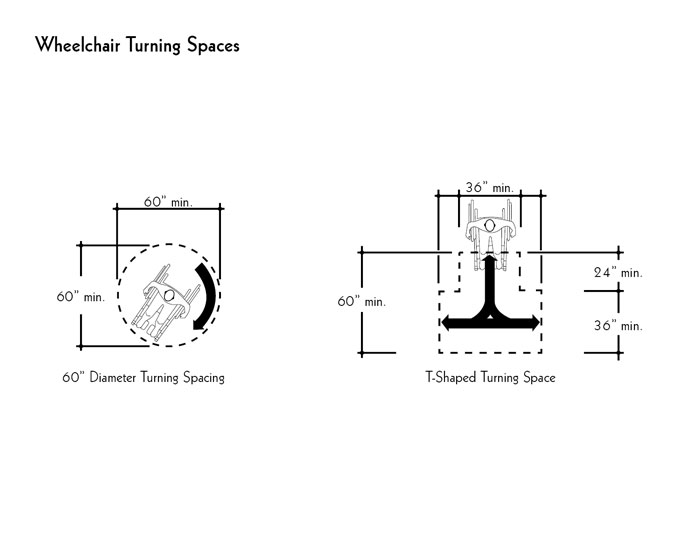
ADA Bathroom Requirements: Restroom Space and Toilet Compartments -  LaForce, LLC

One of the most significant aspects of bathroom design is the layout. An efficient arrangement allows for easy movement and accessibility, making daily routines smoother. The placement of fixtures like the toilet, sink, and shower or bathtub should follow a logical flow, ensuring that each area is within reach. In smaller bathrooms, clever design solutions, such as wall-mounted sinks and compact storage, can maximize space while maintaining a sense of openness.

Selecting the right fixtures is crucial in creating a learn about ADA Sink Height here comfortable environment. A well-designed toilet, a sink that suits your needs, and a shower or bathtub that offers the desired level of relaxation can greatly enhance the experience. Water-saving fixtures have become increasingly popular, promoting sustainability without sacrificing performance. It is essential to ensure that water pressure and temperature controls are reliable, as these elements significantly impact comfort and usability.

Storage is another vital consideration. Bathrooms often house a variety of items, from toiletries to towels, and effective storage solutions are necessary to prevent clutter. Well-placed cabinets, shelves, and organizers can keep the space tidy and make it easier to find what you need. Custom cabinetry can enhance both functionality and aesthetics, blending seamlessly with the overall design while providing ample storage space.

Lighting plays a critical role in the bathroom atmosphere. A mix of natural light and artificial lighting can create a welcoming environment. Bright, task-oriented lighting is essential for grooming activities, while softer lighting can help set a relaxing mood for unwinding after a long day. Incorporating dimmer switches adds versatility, allowing users to adjust the lighting to suit their needs and preferences.

Ventilation is often an overlooked aspect of bathroom design, yet it is essential for maintaining a healthy environment. Proper airflow helps prevent mold and mildew, which thrive in humid conditions. Installing exhaust fans or incorporating windows can improve air quality, ensuring the space remains fresh and comfortable. Good ventilation not only enhances hygiene but also contributes to a more pleasant overall experience.

Aesthetic choices significantly influence how a bathroom feels. The selection of tiles, paint colors, and decorative elements can transform the space into a personal retreat. Whether opting for a calming spa-like environment or a modern, sleek design, the visual elements can create an inviting atmosphere that enhances comfort. Consistent design choices tie the room together, making it a cohesive part of the home.

Finally, safety features should be a priority in bathroom design, especially for families with young children or elderly individuals. Non-slip flooring, grab bars, and strategically placed lighting can enhance safety and accessibility. Designing the bathroom with these considerations ensures that it is a secure space for everyone, providing peace of mind.

In summary, the requirements for a functional bathroom encompass a thoughtful blend of layout, fixtures, storage, lighting, ventilation, aesthetics, and safety. By carefully considering each of these elements, homeowners can create a space that not only meets practical needs but also serves as a tranquil retreat. A well-planned bathroom enhances daily routines, offering a personal sanctuary where one can relax and rejuvenate amidst the hustle and bustle of everyday life.

The Evolution and Impact of Online Gaming: Bridging Virtual Worlds and Real Communities

Featured


Online gaming has emerged as a cornerstone of contemporary entertainment, captivating players worldwide with its immersive experiences and boundless possibilities. From the early days of simple text-based adventures to the sprawling virtual universes of today, online gaming has undergone a transformative evolution, reshaping the way people interact, compete,  starlight princess tergacor and collaborate in digital environments. This article explores the multifaceted nature of online gaming, examining its evolution, cultural significance, and societal impact.


The history of online gaming can be traced back to the nascent days of computer networking, where primitive multiplayer experiences laid the groundwork for more sophisticated online interactions. As technology advanced and internet connectivity became ubiquitous, online gaming experienced a renaissance, giving rise to a diverse array of genres and platforms that cater to players of all ages and interests.


One of the defining characteristics of online gaming is its ability to foster social connections and communities across geographical boundaries. Through multiplayer features and online forums, players can collaborate with friends, form alliances with strangers, and engage in cooperative or competitive gameplay experiences in real-time. Whether embarking on epic quests in massive multiplayer online role-playing games (MMORPGs) or engaging in fast-paced battles in competitive multiplayer shooters, online gaming provides a platform for shared experiences, teamwork, and camaraderie.


Furthermore, online gaming serves as a creative outlet for players to express themselves and shape their virtual identities. From customizing characters and designing virtual spaces to creating user-generated content and mods, players have the freedom to personalize their gaming experiences and leave their mark on virtual worlds. This sense of agency and creativity enhances player engagement and fosters a sense of ownership within online gaming communities.


The rise of online gaming has also spawned new forms of entertainment and spectatorship, notably in the realm of esports and live streaming platforms. Esports tournaments attract millions of viewers worldwide, showcasing the skill and strategy of professional gamers competing at the highest levels. Streaming platforms like Twitch and YouTube Gaming have transformed gaming into a spectator sport, allowing players to broadcast their gameplay and interact with audiences in real-time, fostering a sense of community and engagement around their favorite games and players.


However, the growing popularity of online gaming has also raised concerns about its potential negative impacts, including issues related to gaming addiction, online harassment, and cybersecurity threats. Developers, policymakers, and educators are actively working to address these challenges and promote responsible gaming practices to ensure a safe and positive online gaming environment for players of all ages.


In conclusion, online gaming represents a dynamic and influential force in contemporary culture, bridging virtual worlds and real communities through shared experiences, creativity, and collaboration. As technology continues to advance and online gaming communities evolve, the impact and significance of this dynamic medium are poised to endure, shaping the way we play, connect, and engage in the digital age.…